

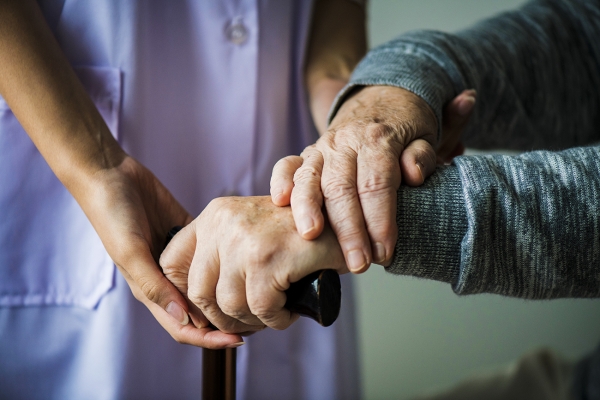
Osteoporosis is a “global epidemic” that affects more than 200 million people worldwide. It is estimated that 1 in 3 women and 1 in 5 men over 50 may suffer fractures as a result.
What is osteoporosis?
Osteoporosis is a disease that weakens bones, reducing their density and altering their structure. This makes them more fragile and increases the risk of fractures. It mainly affects
Causes
The loss of minerals such as calcium and phosphorus causes the bone to become porous and weak. The main causes include genetic, hormonal, nutritional, and lifestyle factors.
Symptoms
In its initial stages, osteoporosis has no symptoms.
Over time, the following may appear:
- Bone or muscle pain.
- Loss of height, caused by the collapse of the bones in the spine.
- Fractures from minor falls or everyday movements.
Consequences
Fractures from osteoporosis can lead to:
- Chronic pain.
- Disability or loss of mobility.
- Deterioration in quality of life.
- Increased risk of mortality, especially in older people.
Risk factors
- Advanced age.
- Female gender and early menopause.
- Family history.
- Low body weight.
- Lack of calcium and vitamin D.
- Sedentary lifestyle.
- Smoking or excessive alcohol consumption.
Control and treatment
Managing osteoporosis requires an active and healthy lifestyle:
- Diet rich in calcium and vitamin D.
- Regular physical activity.
- Medical treatment and supplements as professionally indicated.
Physical therapy is key. A physical therapist designs safe routines that strengthen muscles, improve balance, and prevent falls, thereby reducing the risk of fractures.
Preventive recommendations
- Engage in at least 30 minutes of daily exercise, including strength, balance, and stretching.
- Take care of your posture and learn safe techniques for lifting objects.
- Avoid smoking and limit alcohol.
- Have regular medical check-ups to assess bone density.
Conclusion
Osteoporosis can be controlled with early diagnosis, physical therapy, and healthy habits. Taking care of your bones is investing in mobility, independence, and quality of life.